ospitessa

 Español
 Italiano
 Deutsch
 Français
 Português
 Ελληνικά
 Hrvatski
 Polski
 Nederlands
 Čeština
 Slovenčina
 Magyar
 Slovenščina
 Shqip
 Български
 Türkçe
 Română ↗ ospitessa.ro
 Austria
 Switzerland
 Belgium
 Ireland
 Malta
 Cyprus
 Montenegro
 Mexico
 Costa Rica
 Dominican Republic
 Panama
 Colombia
 Peru
 Ecuador
 Argentina
 Uruguay

Every hotelier in Cyprus must comply with guest registration requirements set by the Deputy Ministry of Tourism. While the process is straightforward, there are important details and documentation standards that can impact your licence and daily operations. This article provides practical guidance for small hotels and guesthouses on meeting these obligations and avoiding common mistakes.
The Role of the Deputy Ministry of Tourism
In Cyprus, the Deputy Ministry of Tourism is the primary authority responsible for hotel licensing and compliance. All accommodation providers, whether operating a boutique hotel in Lefkosia, a beachfront guesthouse in Pafos, or a small apartment complex in Limassol, must adhere to the guest registration conditions outlined by the Ministry. These requirements form part of the licensing process and are subject to periodic updates. The Ministry may conduct both scheduled and unannounced inspections to verify compliance, particularly during the busy summer season or following a complaint.
The exact format for guest records—whether a bound register, loose-leaf forms, or a digital database—depends on your licence terms. Some older licences may specify a paper record, while newer ones might allow for digital alternatives. It is essential to read your licence conditions carefully and, if you are unsure about interpretation, consult directly with the Licensing and Control Section of the Deputy Ministry. An oversight here can result in delays during licence renewal or, in rare cases, temporary suspension of your operating permit.
Example: A small hotel in Polis Chrysochous was recently reminded by the Ministry to update its registration method after switching to digital records. The owner confirmed the change with their licensing officer to ensure continued compliance.
What Guest Registration Entails
Typically, guest registration involves recording key information for every guest who stays at your property. This usually includes:
- Full name
- Nationality
- Passport or ID number
- Date of arrival and departure
- Room number or unit
In some cases, your licence may also require recording the guest’s permanent address and contact information. Properties catering to group bookings, such as those near university campuses or for corporate retreats, may need to keep a list of all group members, not just the lead guest. Some hoteliers choose to collect additional data, such as vehicle registration numbers or special requests, for operational reasons, but these are not typically mandated.
There is currently no national requirement for electronic police reporting of guest data in Cyprus (please check with the competent authority for any updates). However, since regulatory changes can occur, especially in response to public health concerns or security issues, it is wise to check regularly with the Deputy Ministry of Tourism or your municipal tourism office for updates. In certain cases, the local police may request access to guest records, particularly if an incident occurs on the premises, so maintaining accurate records is also a matter of legal protection.
Example: During a health and safety inspection in Ayia Napa, a small guesthouse was asked to provide guest arrival and departure lists for a specific week. Because the records were up to date and complete, the process was quick and stress-free.
Keeping and Storing Guest Records
Guest records can be kept in either paper or digital form, as long as they are complete and accessible for inspection. Many small hotels in Cyprus still use a traditional paper guest log, especially in rural areas or older properties. Increasingly, properties in urban centres or with higher guest turnover are adopting digital solutions, such as a hotel PMS, to manage records more efficiently.
The most important considerations are:
- Records must be up to date and legible
- Guest data should be stored securely, with access limited to authorised staff
- Retention periods are specified in your tourism licence; if unclear, seek clarification from your licensing officer
- Records should be organised by date and easily retrievable in case of inspection
A common pitfall is failing to protect guest privacy. For example, storing physical records in an unlocked drawer or leaving a digital system logged in at reception can lead to unauthorised access. Likewise, disposing of old records before the retention period ends is a frequent mistake, especially when staff are unaware of the exact requirements.
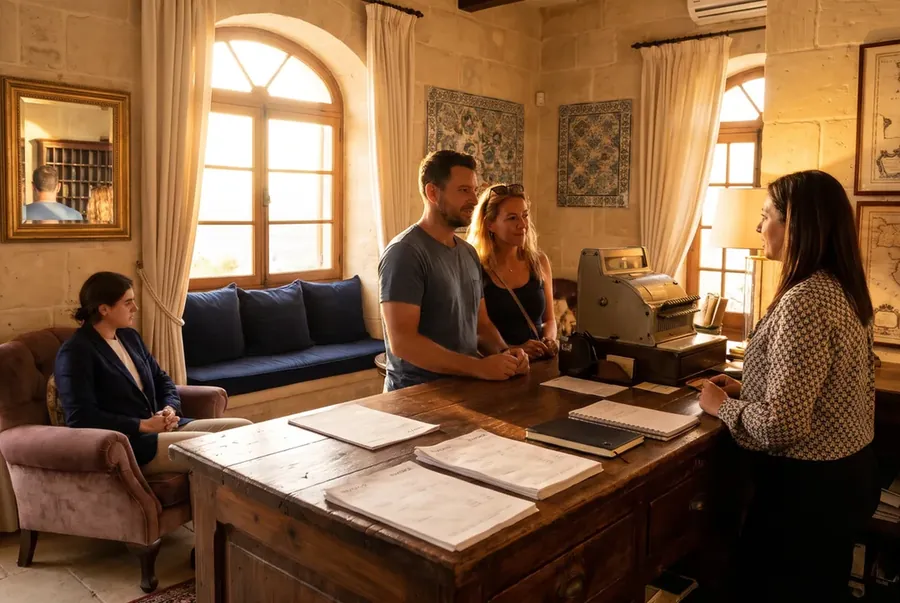
Example: A six-room guesthouse in Larnaka keeps a simple registration book at reception. Each guest fills out a registration card on check-in, and the cards are filed by date. During a routine inspection, the officer from the Deputy Ministry of Tourism checks that all cards are present and complete for the past two years, as required by the licence. The guesthouse owner keeps older records in a locked cabinet in the office, ensuring compliance and data security.
Common Mistakes to Avoid
Several issues can lead to problems during inspections or licence renewals:
- Failing to collect all required guest details, especially ID or passport numbers
- Not keeping records for the full retention period specified by your licence
- Storing records in a way that risks loss or unauthorised access
- Forgetting to update procedures when licence conditions change
- Allowing untrained staff to handle guest registration, leading to incomplete or inconsistent data
- Assuming digital records are automatically compliant without checking export or print capabilities
For example, a family-run hotel in Limassol was found to have missing guest signatures on several registration cards during an inspection. This was traced back to a new receptionist who had not been properly trained on the process. The hotel avoided a penalty by quickly rectifying the issue and providing evidence of staff training.
If you use a digital system, confirm it can generate reports or printouts that match the official requirements. Some inspectors may request to see a physical printout, even if your records are digital. When considering a new PMS or guest management system, ask specifically about local compliance features and check if it is possible to customise fields to match your licence.
Regional and Seasonal Considerations
While the core requirements are set nationally by the Deputy Ministry of Tourism, practical enforcement can vary by municipality. For example, in high-traffic tourist areas like Ayia Napa, Protaras, and Limassol, local tourism offices may conduct spot checks or request additional information, such as group booking lists or special event guest logs. In contrast, rural municipalities may be less frequent in their inspections but expect strict adherence to the basics.
Seasonal properties—such as those operating only from April to October—must remember that guest registration and record-keeping standards apply throughout the operating season and during any off-season stays (such as staff training or maintenance visits involving overnight stays). Some hoteliers mistakenly discard records at the end of the season, which can cause problems if an inspection occurs before the next opening.
If you are unsure about local practices, it is advisable to contact your municipal tourism office or consult your local hotelier association. They can provide up-to-date guidance and may alert you to new regional requirements or upcoming inspections.
Example: A guesthouse in the Troodos region was contacted by the local tourism office for a spot check during the winter months, even though they only had occasional guests. Because their records were maintained year-round, they passed the inspection without issue.
Digitalisation and Hotel Software: Practical Considerations
Many properties in Cyprus are moving towards digital guest management for efficiency, security, and easier compliance. Using a digital system can help reduce manual errors, improve data security, and speed up the check-in process for guests. For example, a digital solution can prompt staff to collect all mandatory fields, reducing the risk of missing information.
Digital records can also be backed up regularly, reducing the risk of data loss due to fire, flood, or accidental disposal. For an overview of what Ospitessa covers in Cyprus, see our dedicated country page. If you use a digital system, verify that it allows you to export or print guest records in a format acceptable to the authorities, as some inspectors may still request a physical copy.
A typical mistake is assuming that any digital solution will meet the requirements. Before switching to a new system, check that it can be customised to include all required data fields and that it complies with the retention and privacy standards set by your licence. If in doubt, ask the software provider for a demonstration of the export or print function, and consider running a test report for your next internal audit.
Practical Checklist for Hoteliers
- Review your tourism licence for specific guest record requirements, including format and retention period
- Ensure your registration process collects all mandatory details (name, ID, arrival/departure, room/unit)
- Store records securely—paper in locked cabinets, digital with password protection and regular backups
- Keep records organised by date and easily retrievable for inspection
- Regularly check for updates from the Deputy Ministry of Tourism or your municipal tourism office
- Train all reception and front desk staff on proper guest registration procedures and data privacy
- If unsure about any aspect, ask your licensing officer or accountant for clarification before changing your process
If you are exploring ways to make guest registration and compliance easier, consider booking a live demonstration to see how Ospitessa can support your property: book a demo.