ospitessa

 Español
 Italiano
 Deutsch
 Français
 Português
 Ελληνικά
 Hrvatski
 Polski
 Nederlands
 Čeština
 Slovenčina
 Magyar
 Slovenščina
 Shqip
 Български
 Türkçe
 Română ↗ ospitessa.ro
 Austria
 Switzerland
 Belgium
 Ireland
 Malta
 Cyprus
 Montenegro
 Mexico
 Costa Rica
 Dominican Republic
 Panama
 Colombia
 Peru
 Ecuador
 Argentina
 Uruguay
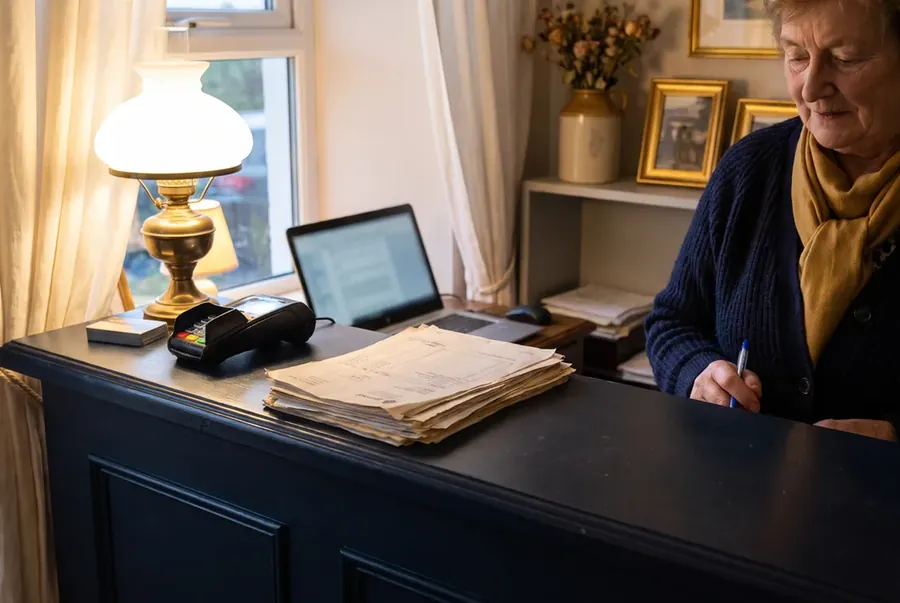
Navigating VAT rates for accommodation in Ireland is an essential part of hotel management, directly influencing your pricing, invoicing, and compliance obligations. While the Irish VAT system is relatively straightforward compared to some other European countries, there are important nuances and practical steps every hotelier should understand to avoid costly errors and ensure proper reporting. This article offers a practical, Ireland-specific guide to VAT on accommodation, with concrete examples and advice relevant to small hotels, guesthouses, and self-catering properties.
VAT Rates for Accommodation in Ireland
Ireland applies Value Added Tax (VAT) to most goods and services, including hotel accommodation. The VAT rate for accommodation is determined annually as part of the national Budget and may change from year to year. The rate can change with little notice, so it is essential to confirm the current VAT rate each year, particularly after the Budget is announced. The Revenue Commissioners’ website is the definitive source for up-to-date rates, and your accountant should also be able to confirm the correct figure. [Check with the competent authority for the current rate.]
For most hotels, guesthouses, and similar accommodation providers, the applicable VAT rate is charged on the room or unit rental. However, not all revenue streams are treated equally. Extras such as meals, spa treatments, or conference facilities may attract different VAT rates. For example, food served in a restaurant or as part of a package may be taxed differently than the room rate. This requires hoteliers to be clear about what is included in each offering and to allocate revenue accordingly.
Typical mistakes include assuming that all services provided to guests fall under the accommodation VAT rate or missing a rate change after the Budget. To avoid these, always verify which rate applies to each revenue stream and update your pricing and invoicing systems promptly.
What Counts as Accommodation Revenue?
Accommodation revenue in Ireland generally covers charges for overnight stays, short-term lets, and bundled packages where the primary component is lodging. This applies to hotels, guesthouses, B&Bs, and self-catering apartments. However, if your property offers additional services—such as breakfast, dinner, parking, or late check-out—these must often be itemised on invoices and taxed at their respective VAT rates. For example, breakfast or dinner sold as part of a package may need to be split out and taxed at the food VAT rate, not the accommodation rate.
It is important to note that Revenue expects a reasonable allocation between accommodation and extras if a package price is offered. This is especially relevant for properties offering all-inclusive or half-board rates, or for those running special event packages (such as wedding weekends or golf stays). Failure to split these correctly can lead to under- or over-payment of VAT and potential penalties in the event of a Revenue audit.
Example: A small guesthouse in Galway offers rooms at €120 per night, including breakfast. The owner checks with their accountant and allocates €100 to accommodation (taxed at the accommodation VAT rate) and €20 to breakfast (taxed at the food VAT rate). The invoice is split accordingly, making it clear to both the guest and Revenue how VAT has been calculated.
Invoicing and Documentation
Proper invoicing is crucial for VAT compliance in Ireland. Revenue requires that VAT invoices clearly show the rate applied to each item, the net amount, the VAT amount, and the total. If you serve both business and private guests, be aware that B2B clients (such as corporate bookings or travel agencies) may request a full VAT invoice with their company details, while B2C guests may receive a simplified receipt.
For group bookings, events, or packages, each component (room, meals, extras) should be itemised with the correct VAT rates. This is particularly important if you run a restaurant or bar as part of your property, since food, alcohol, and accommodation all have different VAT treatments. In addition, if you offer meeting rooms, spa treatments, or parking, these must be shown separately.
A typical mistake is failing to update invoice templates after a VAT rate change or omitting required details, such as the VAT registration number. Always review your invoice format annually and after any rate change.
Common Mistakes and How to Avoid Them
Irish hoteliers often encounter the following VAT pitfalls:
- Applying the previous year’s VAT rate after a Budget change, especially for bookings made before but consumed after the change
- Failing to split invoices when packages include items with different VAT rates (e.g. room plus dinner)
- Overlooking VAT on extras such as late check-out, parking, or minibar sales
- Not keeping adequate records for Revenue audits, including supporting documentation for allocations
- Not updating online booking engines or OTAs with the correct VAT-inclusive rates
To avoid these issues:
- Check the current VAT rate after each Budget and update all pricing and invoicing systems promptly
- Review all package pricing to ensure correct VAT allocation between accommodation and extras
- Use a PMS with up-to-date tax logic and clear reporting for mixed VAT bookings
- Store all supporting documentation, such as rate allocation calculations and correspondence with your accountant, for at least six years, as required by Revenue
- Regularly reconcile your VAT returns with your PMS and bank statements to spot inconsistencies early
Example: A boutique hotel in Kerry sold a New Year’s Eve package including accommodation, dinner, and entertainment. The manager initially applied the accommodation VAT rate to the whole package. During a Revenue review, they were required to reallocate the dinner and entertainment portions and pay the correct VAT, plus interest. Since then, they have updated their PMS and invoice templates to ensure proper split and documentation.
Regional Differences and Who to Ask
Unlike in some European countries, VAT rates for accommodation are set nationally in Ireland and do not vary by county or city. However, local authorities (city or county councils) may have their own charges, such as waste collection or water fees, which are separate from VAT and must be handled independently. These local charges do not affect your VAT calculations but should be factored into your overall pricing and cost structure.
For VAT-specific questions, your first point of contact should be your accountant or bookkeeper, ideally one with experience in hospitality. If you need clarification or an official ruling, the local Revenue office can provide guidance, either via their helpline or in writing. It is wise to keep a record of any advice received, especially if your property offers unusual packages or services. When in doubt, always ask Revenue or your accountant rather than risk an incorrect VAT return.
Preparing for Future Changes
Ireland does not currently have a tourist tax, nor is there a national guest registration system requiring VAT reporting. However, hoteliers should remain alert to regulatory changes. The phased introduction of structured e-invoicing for B2B transactions, expected from 2028 under the EU ViDA initiative, will require new processes and possibly software updates. This will particularly affect properties with a significant corporate or travel agent business. [Check with the competent authority for updates.]
For now, focus on maintaining VAT compliance with existing rules. If you are considering upgrading your PMS or accounting software, discuss with your provider whether they are preparing for e-invoicing and other upcoming requirements. It is also prudent to attend local IHF (Irish Hotels Federation) meetings or subscribe to Revenue updates to stay informed about sector-specific changes.
Practical Checklist for Hoteliers
- Confirm the current VAT rate for accommodation after each Budget and update all systems accordingly
- Separate accommodation and extras (meals, parking, spa, etc.) on all invoices and apply the correct VAT rate to each
- Use a PMS that automates VAT calculations and invoice generation (Ospitessa can do this for Irish VAT rates)
- Store all VAT records, invoices, and supporting documentation securely for at least six years, as required by Revenue
- For mixed packages, keep clear records of how revenue is allocated between accommodation and extras
- Consult Revenue or your accountant if in doubt about rates, documentation, or unusual packages
- Regularly review your process to ensure compliance, especially after Budget announcements or regulatory updates
If you’d like to see how PMS automation can simplify VAT compliance and invoicing for your Irish property, book a demo to see Ospitessa in action.